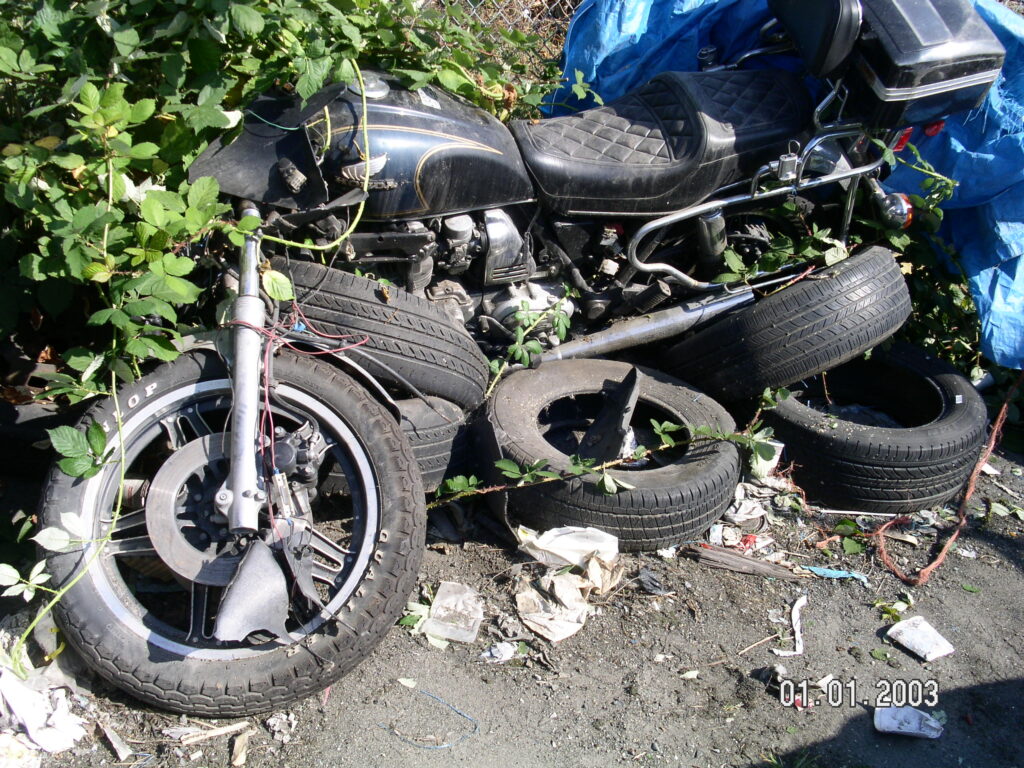
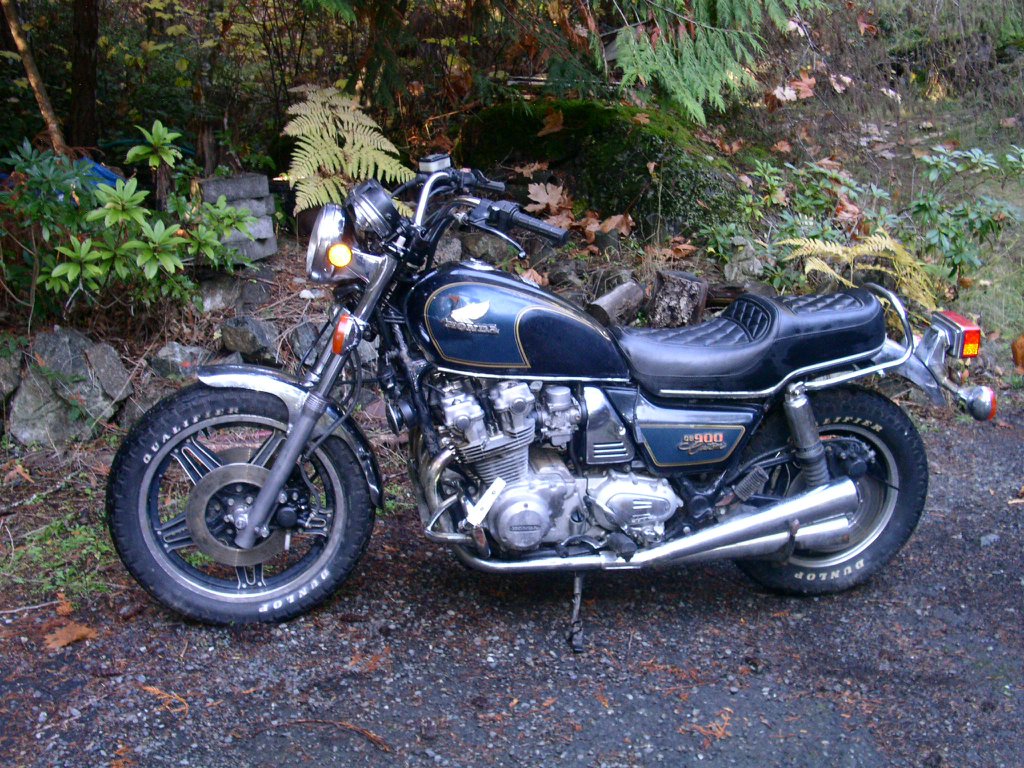
Here are some very important steps to identify unseen problems and to avoid doing damage when inspecting a motorcycle.
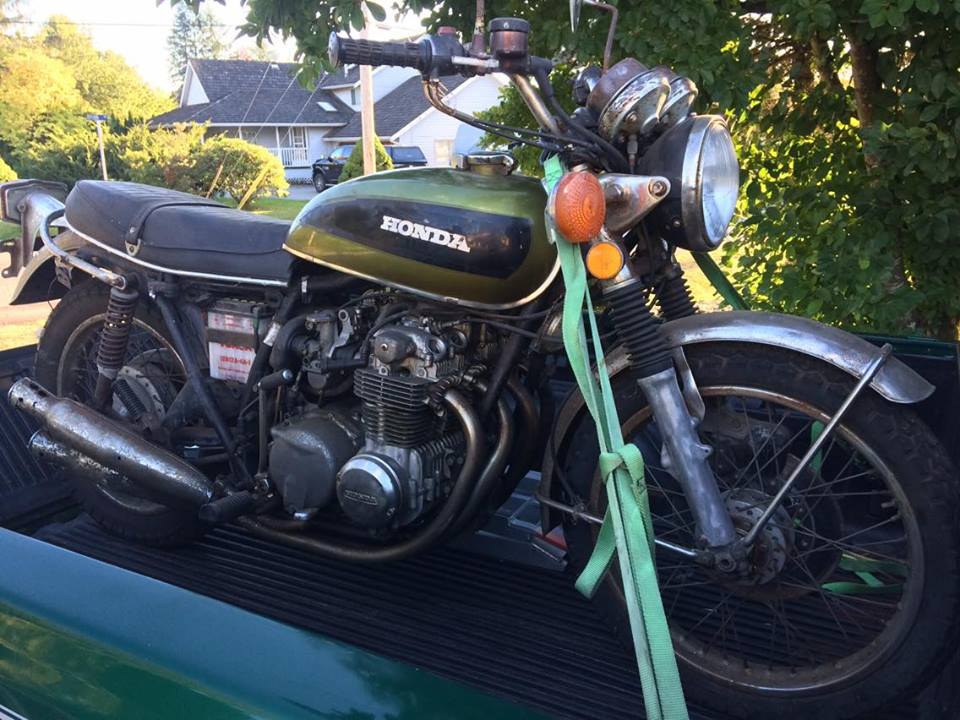
- Research before you shop – use the Internet, search out and read all you can about the brand/model/year that you’re about to look at. Check valuations because that will help you establish a budget. Hagerty Insurance have a great online valuation tool on their website as does NADA guides. There are probably others. Proficiency with search tools on the Internet will save you a ton of time. Asking “how much is this worth?” on Facebook, aka Meta, groups will rarely give you much more than “whatever someone’s willing to pay” – some people just love to chime in with nothing really to say.
You’ll be far better prepared at the seller’s place, if you already are familiar with the basics, like how to raise or remove the seat, what the stock equipment looks like (so you can spot missing or aftermarket parts), etc. Your research should include an approximate value for “poor”, “fair” & “good” condition bikes.
- Budget time & money – what you want to do with the bike (cafe racer, refurbish as a daily rider or restoration), how much you’d be willing to pay in purchase & repairs and how much of your time you’re willing to put into it to achieve your goal.
- Contact the seller and get as much detail about condition, how long since it last ran, any known issues? Will the seller allow you to do a compression test, remove a valve cover, etc.?
- Very important – does the seller have title? In some locations, getting title for a motorcycle can be very time consuming, while other locations make it very simple.
Are there liens on the bike?
Plan ahead to avoid problems.
When you inspect the motorcycle: - FIRST Ensure that the air cleaner system is clean – not plugged up with stuff from creatures that tend to make a home in these places. If you try to kick start or use the electric start on such a bike, debris can be sucked into the motor!
- Also note that turning the motor over as a quick check to determine if the thing has compression is a good idea, but here’s a trick with four stroke motors – if you can remove a tappet adjustment cover or valve cover, do that first.
With Single Overhead Cam (SOHC) and Double Overhead Cam (DOHC) motors, if the cam chain is broken, kicking the motor over will give you the false impression that the motor has compression but it misses the fact that there’s a very serious repair required.
And, many of the SOHC and DOHC motors are “interference” designs, meaning that if the cam drive system is compromised, pistons may hit valves, causing even more damage.
With pushrod type overhead valve motors, it’s still a good idea to pull the valve cover to ensure that everything appears to be functioning correctly. - Think in terms of basic mechanics when looking the bike over –
* Engine & carbs (make sure it’s all there, note the condition),
* Electrical (charging, accessories & ignition),
* Chassis & suspension (mainly look for damage and rust),
* Bars and controls (everything you have to buy costs $$),
* Tank (check for dents, leaks, interior),
* Seat (you’ll probably recover it but you want a good base),
* Wheels (turn to see if there’s damage or out of true).
Take your time. Each bike has it’s own features but for example, if the forks have gators (pleaded rubber covers), see if you can get a look under one because these are notorious for trapping moisture and rusting the fork tubes. Check the wiring to ensure it appears complete and note if it’s been chopped up. Plan all of these things into your budget which will help determine what you might pay for the bike as it is. - Don’t “just” check the engine oil level. If it seems to be overfilled or if it stinks of gasoline, chances are a carb has leaked fuel into the engine while the bike sat. The gas goes into the motor, past the rings (washing away vital lubrication) and into the bottom end. This situation must be corrected, usually just a carb rebuild and oil change, before running the motor or you can do damage.
- Will it run? If you want to try to actually start the motor and everything else looks OK, if possible get the owner to start it. Then if the owner fails to get the bike going, their embarrassment may help you barter on price. If you are about to start it, make sure there are no broken wires or other such electrical issues that could lead to a fire. I always test fire bikes outside, away from other vehicles, with a fire extinguisher close at hand, even at my own shop. A small fire outside would be a real hassle but inside a shop with other bikes and flammable materials, it could be a disaster.